Plesiosaurs (order Plesiosauria) were a diverse group of large, carnivorous marine reptiles that dominated the world’s oceans throughout the Jurassic 1 and Cretaceous periods, from roughly 203 to 66 million years ago.
Despite living alongside dinosaurs and sharing the “-saur” suffix, they were not dinosaurs—they belonged to an extinct lineage of aquatic reptiles called Sauropterygia.
All plesiosaurs shared a distinct body plan unlike any living marine animal today:
-
Four wing-like flippers. Instead of swimming with a tail fin like fish, whales, or ichthyosaurs, plesiosaurs had a broad, rigid, turtle-like torso propelled by four large, paddle-shaped flippers (modified forelimbs and hindlimbs). Biomechanical studies show they used a unique “underwater flight” motion—flapping their front flippers like wings while their rear flippers provided extra thrust and steering.
-
Air-breathing and live birth. Like modern whales and sea turtles, plesiosaurs breathed air with lungs and had to surface regularly. Fossil discoveries of pregnant females containing single, large embryos prove they gave live birth in the open ocean rather than coming ashore to lay eggs.
-
Smooth skin. Fossilized soft tissue reveals they had smooth, scaleless skin on their bodies (similar to leatherback sea turtles) paired with small scales on the edges of their flippers to improve hydrodynamics.
Plesiosaurs evolved into two classic evolutionary forms:
-
Long-necked plesiosauromorphs (e.g., Plesiosaurus, Elasmosaurus). These had tiny heads, conical interlocking teeth, and extraordinarily long necks—with Elasmosaurus possessing up to 72 neck vertebrae (compared to just seven in humans and giraffes). They likely used their long necks to sneak their small heads into schools of fish and squid without alerting prey.
-
Short-necked pliosauromorphs / pliosaurs (e.g., Liopleurodon, Pliosaurus, Kronosaurus). Built as massive apex predators up to 10–15 meters long, pliosaurs had short necks, enormous crocodile-like skulls up to 2–3 meters long, and huge, bone-crushing teeth capable of preying on sharks, ichthyosaurs, and smaller plesiosaurs.
The first nearly complete plesiosaur skeleton (Plesiosaurus dolichodeirus) was discovered in 1823 along England’s Jurassic Coast by pioneering fossil hunter Mary Anning, helping revolutionize Victorian science’s understanding of extinction and prehistoric life.
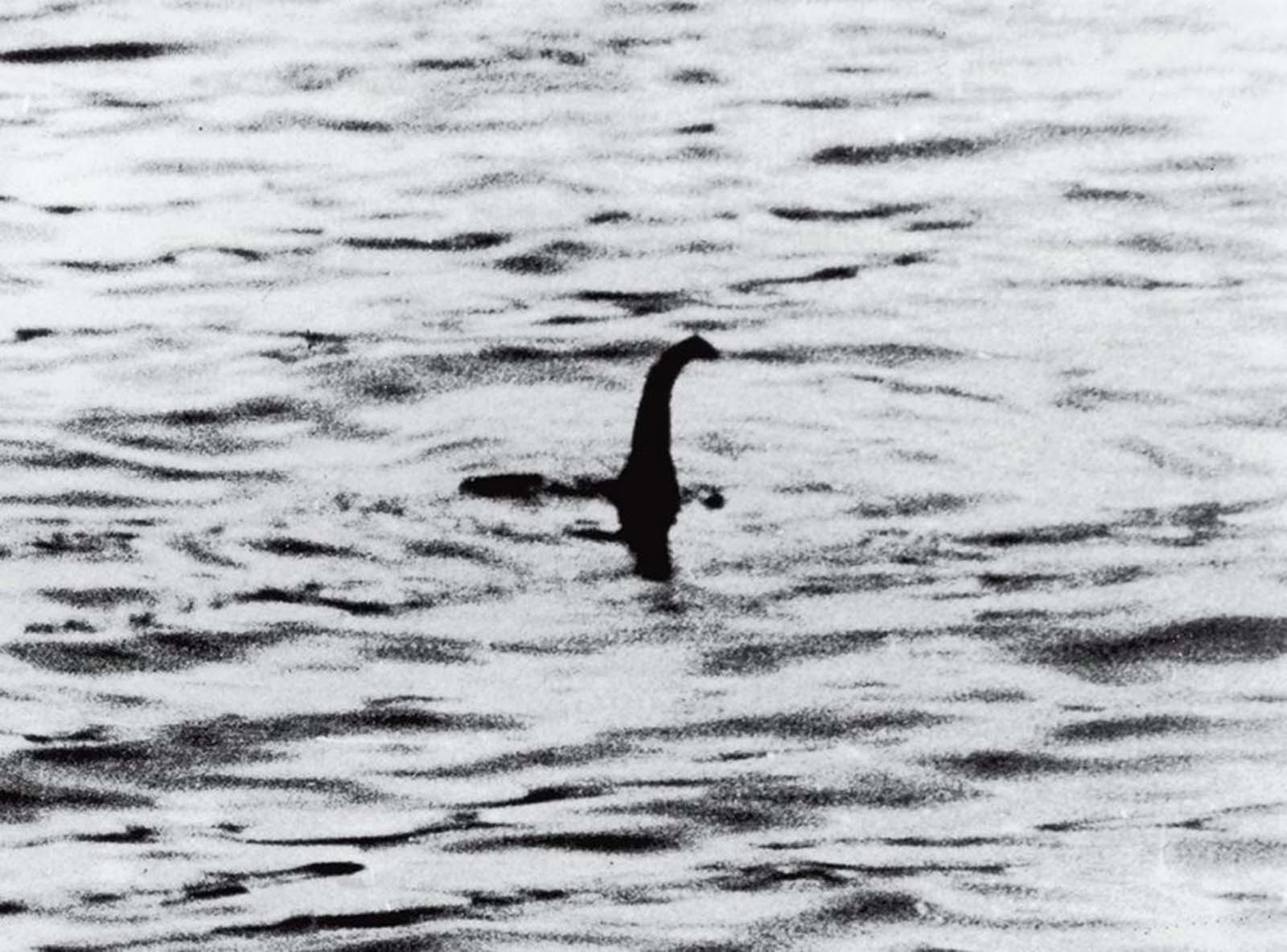
Long-necked plesiosaurs famously inspired popular depictions of Scotland’s mythical Loch Ness Monster (“Nessie”).